
Objective ADHD diagnosis
Clients see real wins in weeks - focus develops, goals stick, success grows
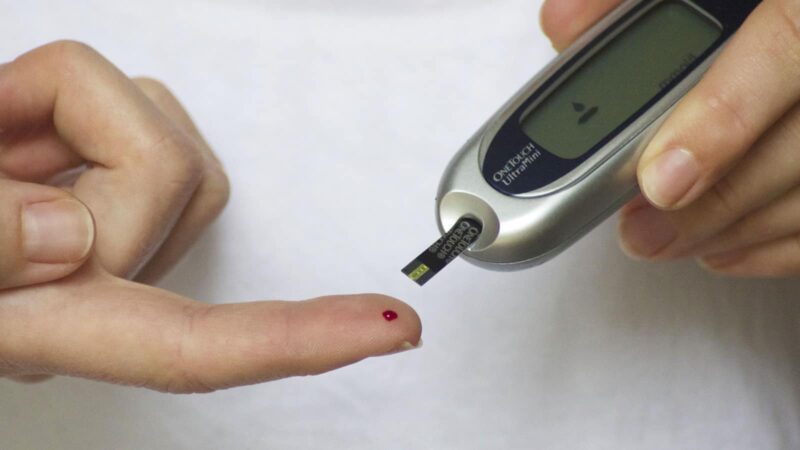
ADHD is a complex, varied and still relatively poorly understood difference in human brain chemistry and neurology. ADHD remains “invisible” with no specific genetic test, brain scan or blood test to determine who has it and importantly whether ADHD is one disorder/ difference or many.
Experts from widely different fields produce scientific reports, offer opinions and write about ADHD; everyone from psychiatrists, neurologists, journalists, teachers, parents, doctors, nutritionists, naysayers, people with ADHD and even ADHD coaches have their own views.
There is really no debate that a significant proportion of the Worldwide population (3%-8%) have the collection of traits defined as ADHD, but with only patient histories and simple subjective symptom lists like the American DSM, there is little objective in an ADHD diagnosis. Frustratingly most of the symptom lists were developed for children and seldom match well to the individual experience of ADD adults.
Those with ADHD seem to show widely differing traits of under/hyper-focused, hyper-active/slothful, quiet/busy minds etc. In addition people respond very differently to the variety of medications, whether dopamine re-uptake inhibitors, stimulants, nor-adrenaline re-uptake inhibitors, SNRIs, SSRIs, supplements, vitamins etc. Medication today works on a “try it and let’s see” basis.
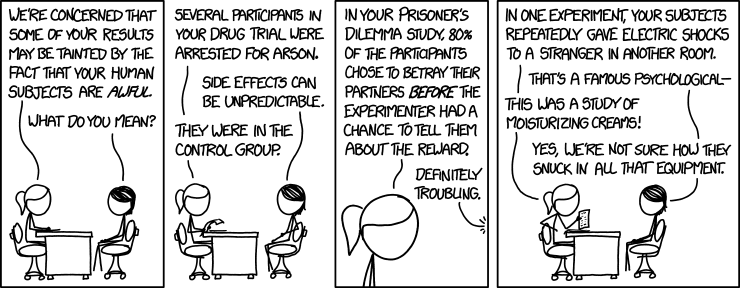
Thanks for comic strip to xkcd.com.
Diagnosis remains more an art than a science, pioneers such as Dr Daniel Amen using SPECT neurological scans has shown that such scan can help diagnosis though not as yet to a medically proven level. Problem with SPECT scans is they involve injection with radio-active material! More hopefully tests such as EEG scans and QBTest have been approved in the USA and Europe to support in ADHD diagnosis but not to diagnose in isolation.
We can only hope that one day soon, we move to genetic tests and downplay subjective criteria lists; move to defining traits not disorder; move to research ADHD strengths as well as weaknesses; move to medications and supplements targeted to specific types of ADHD; and hopefully move to objective science not medical “opinion”.
Andrew Lewis is an Adult ADHD Coach, writer and founder of SimplyWellbeing. He has over 16,000 hours of experience in coaching over 600 adults with ADHD. Andrew helps entrepreneurs and creatives with ADHD thrive and achieve wellbeing and is always happy to have a free chat to discuss coaching. Andrew ran a major ADHD support group and even an ADHD diagnostic clinic for a while. Andrew is an adult ADHD Coach backed with business expertise from a twenty years career in software, from roles in programming, through marketing, sales at IBM, then to running a few software start-ups.














Website designed, written and created by Andrew Lewis, using Wordpress and Oxygen
49 Station Road, Polegate, East Sussex, BN26 6EA, United Kingdom