
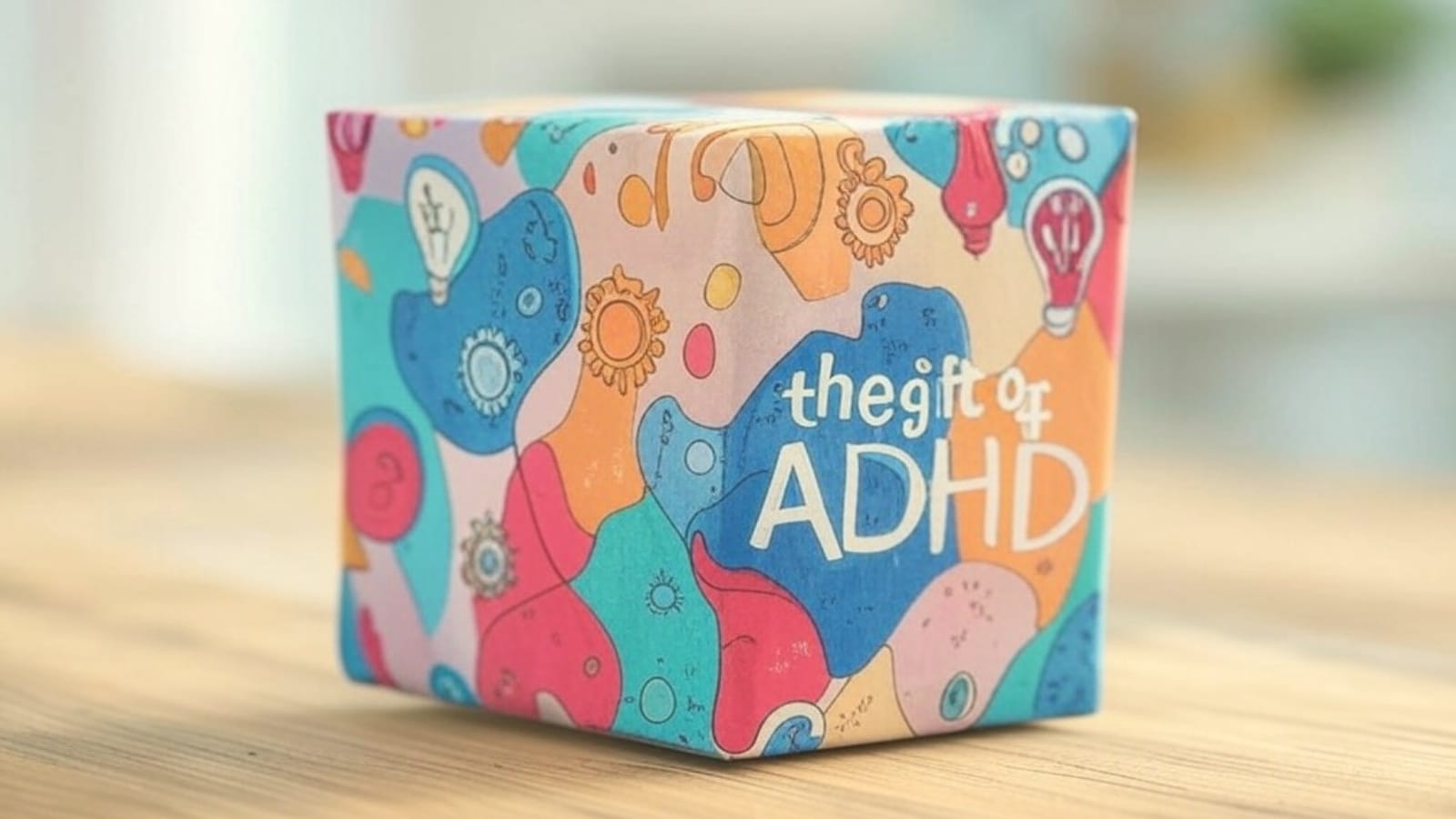
The gift of ADHD?!
Clients see real wins in weeks - focus develops, goals stick, success grows
There has been virtually no research into the advantages of ADHD, sadly the medical establishment is just not that interested in this area. For many doctors, arguing the “disorder” model is understandably a much easier way to gain funding and support for patients than a more complicated “neurological difference than can cause problems” model would be. Those with ADHD traits but who don’t suffer serious problems are excluded from diagnosis, seemingly for “medical convenience”. You cannot be ADHD and function well in society?
Medicine tends to define everything as disorder or illness; that is the business of doctors, psychiatrists, pharmaceuticals and therapists. There is no scope for medicine to define strengths, abilities, traits or attributes. If ADHD is a genetically inherited, neurological difference that brings both good and bad, then the doctors have immediately excluded all the functioning people with ADHD by their definition.
This is deliberate selection of “disordered ADHD” only. The well-functioning people with ADHD are excluded, they may have challenges but their strengths help them overcome them and survive, even excel, in society. Research indicates that around 40% of people with ADHD have had problems with depression, is this figure so high because the DSM criteria specifically rule out happy ADD people who find their niche in the World? The scientists have not done any research on positive traits, maybe one day they will, but with no pharmaceutical funding it may be a long wait.
I struggle with the logic behind ADHD only being negative. Human left-brained executive functions were a very late addition in evolutionary terms, to the already very sophisticated human mind. Sometimes they seem to have too strong a grip on an individual forcing blind obedience, excess worry and anxiety about the future, creating illness and stress as the logical left brain “fights” the more intuitive emotional right brain, creating denial and justification for negative behaviour?
I wonder whether we would see problems like global warming, pollution and the frequent abuse of power, if human executive functions were less dominant?
As a late addition to our neurology, the executive functions in effect interfere with normal brain processing by “biasing” our decisions toward future reward, structure and conformity. I am being a little extreme here and no doubt people with ADD (myself included) suffer many problems from having weaker executive functions, but these functions are by no means perfect! A gentler touch from the frontal lobes, allows the original more intuitive, pattern seeking, big picture seeing right brain to be more dominant. No bad thing if you want to be creative, passionate and fully engaged.
Some doctors do argue the benefits, my favourite being Dr. Edward Hallowell, ADHD himself, he recognises ADHD gifts in his books such as Delivered from Distraction, he lists them as:
To date science has seemingly obstinately ignored the possibility, despite the evidence, that many significant contemporary figures are ADHD and that many significant figures from history seem to meet the DSM IV ADD criteria. Declared ADD individuals like Richard Branson of Virgin and Robbie Williams the singer, look to be the tip of the iceberg of people with ADHD that make, or whose past inventions, creations, explorations and changes have made, a vast beneficial difference to our lives today.
Scientific American casts some light here: The creative gifts of ADHD but the most compelling research to date is White and Shah’s work in Michigan with ADHD students: Adults with ADHD score high in creativity that shows ADHD students are more creative and generate more new ideas. Sadly it is clear that medical science is unlikely to change its focus from “disorder” to “difference” any time soon, yet we can keep demanding it should.
Andrew Lewis is an Adult ADHD Coach, writer and founder of SimplyWellbeing. He has over 16,000 hours of experience in coaching over 600 adults with ADHD. Andrew helps entrepreneurs and creatives with ADHD thrive and achieve wellbeing and is always happy to have a free chat to discuss coaching. Andrew ran a major ADHD support group and even an ADHD diagnostic clinic for a while. Andrew is an adult ADHD Coach backed with business expertise from a twenty years career in software, from roles in programming, through marketing, sales at IBM, then to running a few software start-ups.











Website designed, written and created by Andrew Lewis, using Wordpress and Oxygen
49 Station Road, Polegate, East Sussex, BN26 6EA, United Kingdom